
What to Expect During a Commercial Carpet Installation Project
People searching for commercial carpet installation are typically looking to understand the process and how local service providers can efficiently handle their project.
Understanding what to expect during a commercial carpet installation project can help property owners feel more prepared and confident throughout the process. Whether upgrading a retail space, office, or hospitality venue, knowing the typical steps involved allows for smoother coordination and fewer surprises. Local contractors specializing in commercial carpet installation are experienced in managing these projects efficiently, ensuring that the work aligns with the specific needs of each property. Keep reading to learn about the key stages involved and how trusted service providers can help make the experience straightforward and successful.
Property owners in the area often explore this topic to better understand how a professional installation can impact their space’s appearance and functionality. From surface preparation to final inspections, each phase is designed to deliver a durable, attractive result that meets the demands of busy commercial environments. By gaining insight into what happens during a typical project, decision-makers can better plan and coordinate with local contractors, who bring expertise and reliability to the job. This knowledge can help ensure the installation process goes smoothly and results in a space that looks great and performs well over time.
- Site preparation - when a space requires clearing or leveling before installation, local contractors assess and prepare the area to ensure a smooth process.
- Carpet removal - during upgrades or renovations, service providers handle existing flooring removal to make way for new commercial carpets.
- Subfloor inspection and repair - if the subfloor shows signs of damage or unevenness, local pros evaluate and address these issues to support proper installation.
- Carpet installation - for new or replacement projects, experienced contractors lay the carpet precisely to meet the space’s specifications.
- Post-installation cleanup - after the installation, local service providers often perform cleanup to ensure the space is ready for use.
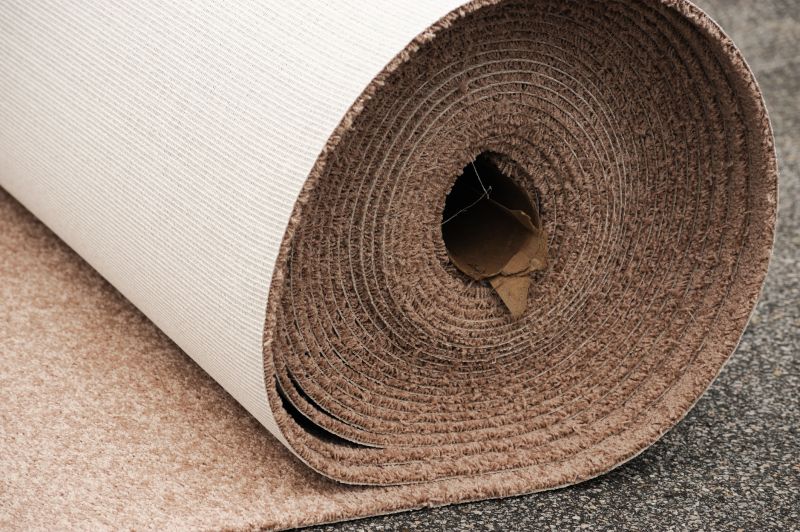
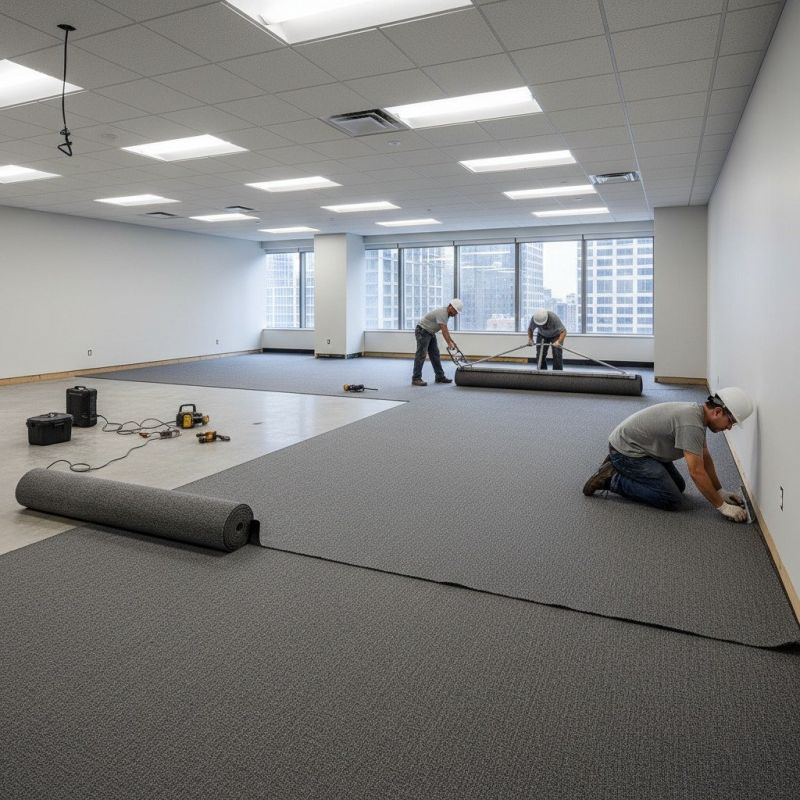
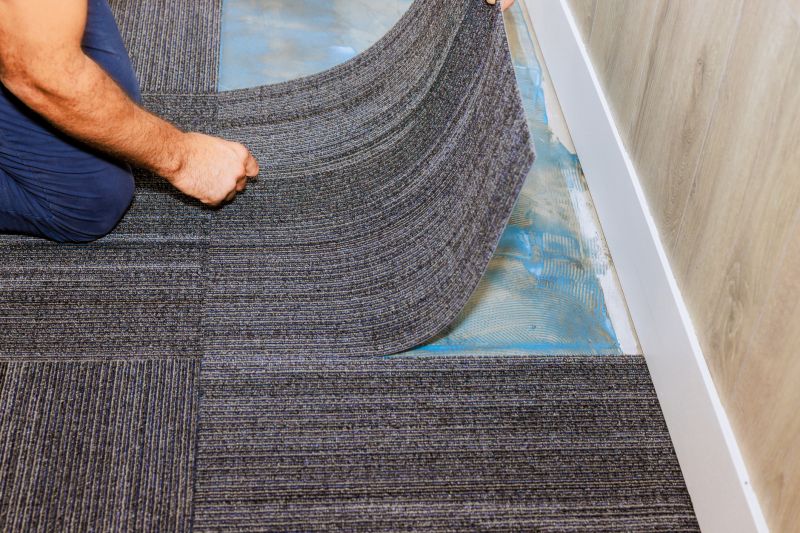
Understanding what to expect during a commercial carpet installation project helps property owners prepare for the process and ensures the work proceeds smoothly. When searching for this topic, many people are looking for a clear overview of the steps involved, from initial planning to final cleanup. They want to know how long the project might take, what kind of disruptions could occur, and what the installation process entails. This information is especially relevant for those managing busy commercial spaces, such as offices, retail stores, or industrial facilities, where minimizing downtime is important. Local service providers who specialize in commercial carpet installation can help guide property owners through each phase, ensuring the project aligns with operational needs.
Commercial carpet installation projects are often part of larger plans to upgrade or renovate a property’s interior. This might be driven by the need for a more professional appearance, increased durability, or improved safety standards. Common problems that prompt these projects include worn-out flooring, uneven surfaces, or outdated designs that no longer meet branding or aesthetic goals. Property owners may also plan to improve acoustics or reduce maintenance costs. Whether the space is a multi-story office building, a retail shopping center, or a warehouse, the scope of the project can vary widely. Local contractors experienced in commercial flooring can assess the space, recommend appropriate carpet types, and execute the installation efficiently.
The types of properties that typically undergo commercial carpet installation include a broad range of business environments. Office buildings, retail outlets, healthcare facilities, and educational institutions often require durable, high-quality flooring solutions. Industrial spaces such as warehouses or manufacturing plants may also need specialized carpeting that withstands heavy foot traffic and equipment. The size of the property influences the complexity of the project, with larger spaces requiring more planning and coordination. Local service providers are familiar with the unique demands of different property types and can adapt their installation methods accordingly, helping property owners achieve a professional finish that meets their specific needs.
During a commercial carpet installation project, property owners can expect a series of standard steps designed to ensure a successful outcome. The process typically begins with a site assessment, where the contractor evaluates the space, measurements, and surface conditions. Preparation work, such as removing existing flooring and cleaning the subfloor, is then carried out to create a stable foundation. The installation itself involves carefully laying out and securing the new carpet, often using specialized tools and techniques to ensure a smooth, even surface. Once the carpet is in place, the area is cleaned and inspected to confirm quality. Local service providers can manage each of these steps professionally, helping property owners understand what is happening at each stage and what to anticipate throughout the project.
Commercial flooring removal - this project involves preparing existing surfaces, which requires similar planning and tools as carpet installation to ensure a smooth transition.
Subfloor preparation services - ensuring the subfloor is level and clean is essential for proper carpet installation and involves comparable skills and equipment.
Carpet padding installation - installing padding is a key step in carpet projects, requiring precise measurement and handling similar to the installation process.
Flooring surface repair - repairing or leveling uneven surfaces is often necessary before installing new carpet and involves similar assessment and preparation skills.
Commercial flooring layout design - planning the layout of flooring materials ensures efficient installation and involves skills in measurement and spatial planning.
Vinyl or laminate flooring installation - these projects share tools and techniques with carpet installation, especially in preparing surfaces and handling large material pieces.
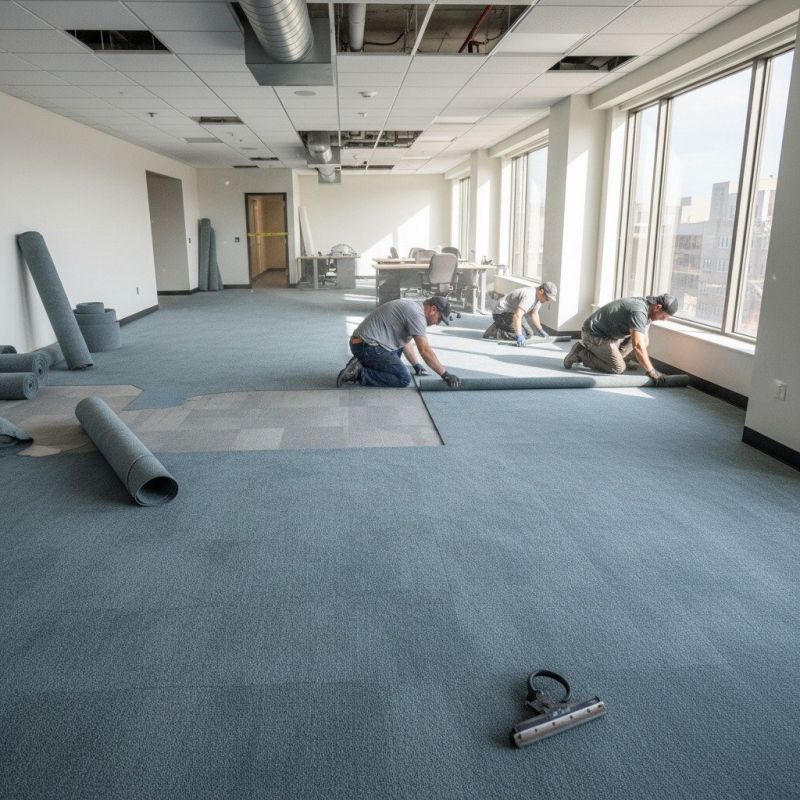
When evaluating service providers for commercial carpet installation, it is essential to consider their experience with similar projects. Contractors who have a proven track record working on commercial spaces tend to be more familiar with the specific requirements and challenges that such projects entail. Homeowners should inquire about the types of commercial environments a local contractor has previously served, as well as the scope of their past work, to ensure they have the appropriate expertise to handle the complexities of their installation.
Clear, written expectations are a key factor in a successful project. Reputable local contractors typically provide detailed proposals that outline the scope of work, materials to be used, and the estimated process from start to finish. Homeowners should review these documents carefully to ensure all aspects of the project are covered, including preparation, installation procedures, and post-installation care. Having a comprehensive written plan helps prevent misunderstandings and ensures everyone involved has a shared understanding of what to expect during a commercial carpet installation project.
Effective communication and reputable references are critical when choosing a service provider. Homeowners are encouraged to ask for references from previous clients who had similar commercial projects completed. Speaking with past customers can provide insights into the contractor’s professionalism, reliability, and ability to manage the installation process smoothly. Additionally, choosing a local contractor known for transparent communication can make the entire experience more straightforward, as clear dialogue helps address questions promptly and keeps the project on track from initial planning through completion.
Property owners often search for what to expect during a commercial carpet installation project when they are planning practical projects around their homes and businesses. Local pros provide Commercial Carpet Installation services for everyday jobs and straightforward project options.

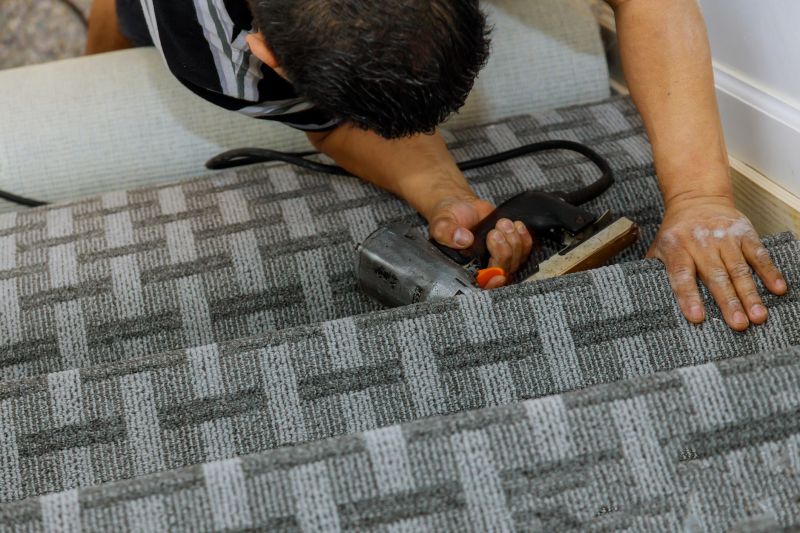
During a commercial carpet installation project, property owners can expect a series of typical situations that help ensure a smooth process. Once the project begins, local contractors usually prepare the space by clearing the area and making any necessary adjustments to the existing flooring. This may involve removing old carpet or other flooring materials, which can create temporary disruptions in daily operations. Understanding these common steps can help property owners plan accordingly and minimize potential inconveniences during the installation.
Throughout the project, it’s normal for there to be some noise, dust, and movement as the new carpet is laid out and secured. Local service providers often work efficiently to complete the job within the expected timeframe, but it’s important for property owners to be aware of potential foot traffic restrictions or temporary closures in certain areas. Knowing what to expect during a commercial carpet installation project can make the experience less stressful and help property owners coordinate with local contractors to ensure the work aligns with their operational needs.
What should I expect during a commercial carpet installation project? During the installation, local contractors typically prepare the space by clearing the area, removing old flooring, and ensuring the subfloor is even. They then carefully lay and secure the new carpet, paying attention to seams and edges for a professional finish. The process may involve some minor disruptions, but professionals aim to complete the work efficiently. Once finished, they usually clean the area and inspect the installation for quality.
Will there be any noticeable disruptions during the installation? Some minor disruptions, like noise and foot traffic restrictions, are common during a commercial carpet installation. Local service providers usually coordinate with clients to minimize impact on daily operations. The installation process is typically scheduled to be as unobtrusive as possible, with work confined to specific hours if needed.
How do professionals handle the preparation of the space? Local contractors often start by clearing furniture and items from the installation area. They assess the subfloor for any repairs or leveling needed to ensure a smooth surface for the new carpet. Proper preparation helps achieve a durable and visually appealing finished product.
What types of carpet seams are involved in the installation? Seams are usually necessary when covering large areas, and experienced contractors carefully align and secure them to minimize visibility. They use specialized techniques and materials to ensure seams are strong and discreet, contributing to a seamless appearance.
What should I do after the carpet installation is complete? After installation, local pros typically recommend allowing the carpet to settle and avoid heavy traffic for a short period. They may also suggest routine cleaning and maintenance to preserve the new carpet’s appearance and longevity. It's a good idea to follow any specific care instructions provided by the service provider.
Site preparation - Property owners should ensure the installation area is clear of furniture and obstacles to facilitate smooth work by local contractors.
Material selection - Choosing the right carpet type and style with the help of local pros can match the space's usage and aesthetic needs.
Installation process - Understanding what steps are involved, such as measuring, cutting, and laying the carpet, helps owners plan for minimal disruption.
Post-installation cleanup - Expect local contractors to remove debris and excess materials, leaving the space ready for immediate use.
If you are thinking about what to expect during a commercial carpet installation project for a property, this guide is meant to help you understand this topic, the typical project types, and how different options might fit your plans.
When you are ready, you can use the quote form on this page to share a few details about your project. From there, local pros can review the basics and follow up with options that match what you have in mind.